

Why Motivation Feels So Hard (And How to Get It Back)
Motivation isn’t something you’re born with, it’s a psychological signal. When motivation fades, it’s often your nervous system asking for safety, rest, or meaning. This therapist-written guide explains why motivation disappears and how to rebuild it without burnout, pressure, or self-blame.

Understanding Loneliness: What Your Brain Is Trying to Tell You
Loneliness isn’t just about being alone, it’s your brain sending a signal that something deeper needs attention. Even surrounded by people, you can still feel disconnected. In this article, learn what loneliness really means and how to begin healing it.
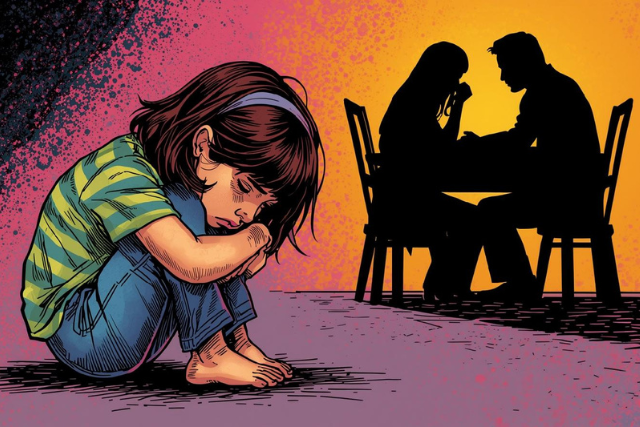
When Your Mother Is Narcissistic: Understanding the Wounds No One Talks About
Growing up with a narcissistic mother means learning to survive emotional inconsistency, guilt, and criticism long before you understood what any of it meant. This article breaks down the subtle signs of narcissistic mothering and how it shapes your self-esteem, boundaries, and relationships today.
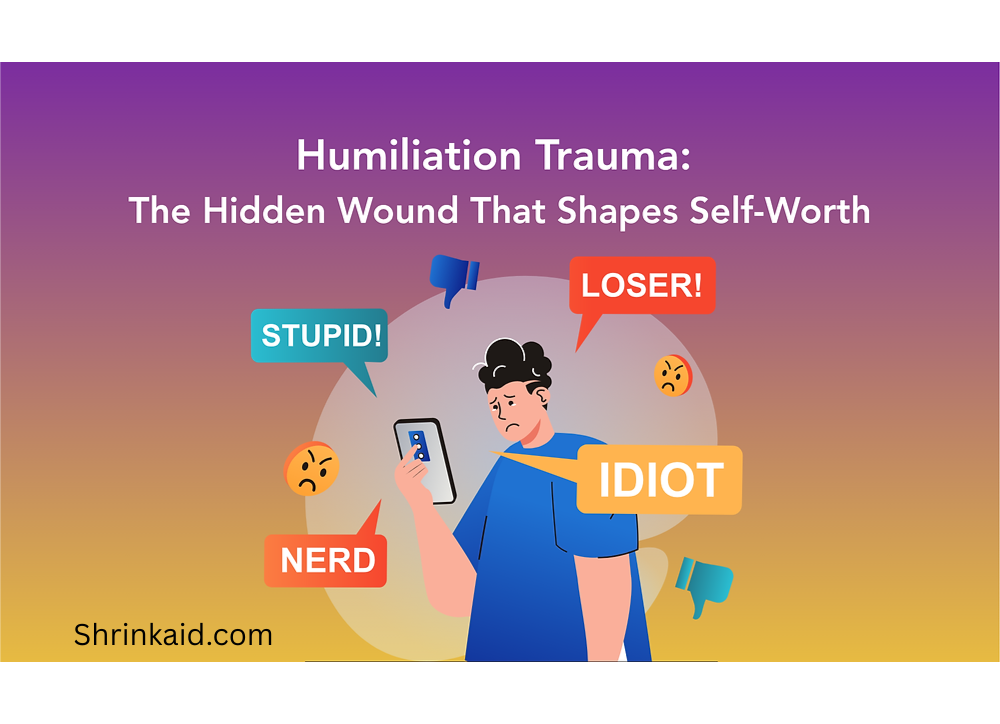
Humiliation Trauma: The Invisible Wound That Shapes Everything
Humiliation trauma leaves deep, invisible wounds that shape how we see ourselves. The cruel words of childhood aren’t truths. They’re someone else’s pain projected onto you. Healing begins when you separate those lies from your identity, practice self-compassion, and allow yourself to be seen without shrinking. You are not defined by what was done to you; you are worthy, always.

Why You’re Always Tired: 10 Hidden Sleep Mistakes That Are Quietly Draining Your Energy
Most people don’t realize how deeply their sleep struggles are connected to stress, lifestyle, and nervous system dysregulation. This article breaks down the hidden habits that keep you wired at night, exhausted in the morning, and stuck in a cycle of burnout.

The Real Reason Why Your Child Won’t Talk To You
Family estrangement is more common than we think, yet it carries stigma, guilt, and emotional complexity. In this article, I explore the psychological impact of estrangement, why adult children may distance themselves, and how therapy and self-compassion can guide healing. Learn practical strategies to navigate grief, set boundaries, and prioritize your mental health.

How to Think Thin: The Psychology of a Healthier Mind and Body
In a world obsessed with diet culture and body perfection, “thinking thin” isn’t about shrinking your body, it’s about expanding your mindset. From a psychological standpoint, real transformation begins in the mind, not the mirror. When we learn to shift our self-talk, process emotions without using food, and build habits rooted in self-compassion rather than shame, our bodies naturally follow. Thinking thin means developing a relationship with yourself that’s grounded in balance, awareness, and respect, because lasting health starts with how you think, not just what you eat.