

Am I Asking for Too Much in My Relationship?
Have you ever wondered if you're asking for too much in your relationship? Many people question whether their emotional needs are reasonable, especially after being told they're "too needy" or "too sensitive." In this article, you'll learn the difference between healthy relationship expectations and unrealistic demands, why we often doubt our own needs, and how to communicate them with confidence.
The Search for Meaning
Why do so many people feel empty even when life looks good from the outside? This article explores the search for meaning, the trap of constantly chasing happiness, and why fulfillment is often found in learning to fully live in the present moment.
Healing After a Relationship: What It Actually Looks Like
Healing after a relationship doesn’t mean forgetting, it means learning how to move forward without losing yourself. This article explores what healing actually looks like, using real reflections and therapist insight to help you process, let go, and rebuild.
The Most Powerful Psychological Tricks Your Brain Plays on You Every Single Day
Your brain plays powerful psychological tricks on you every single day, often without you realizing it. From overthinking and negativity bias to cognitive dissonance and the spotlight effect, these hidden mental patterns shape how you see yourself and the world. Learn how to recognize them and take back control of your thoughts.
Why Passion Fades in Relationships (And How Couples Can Bring It Back)
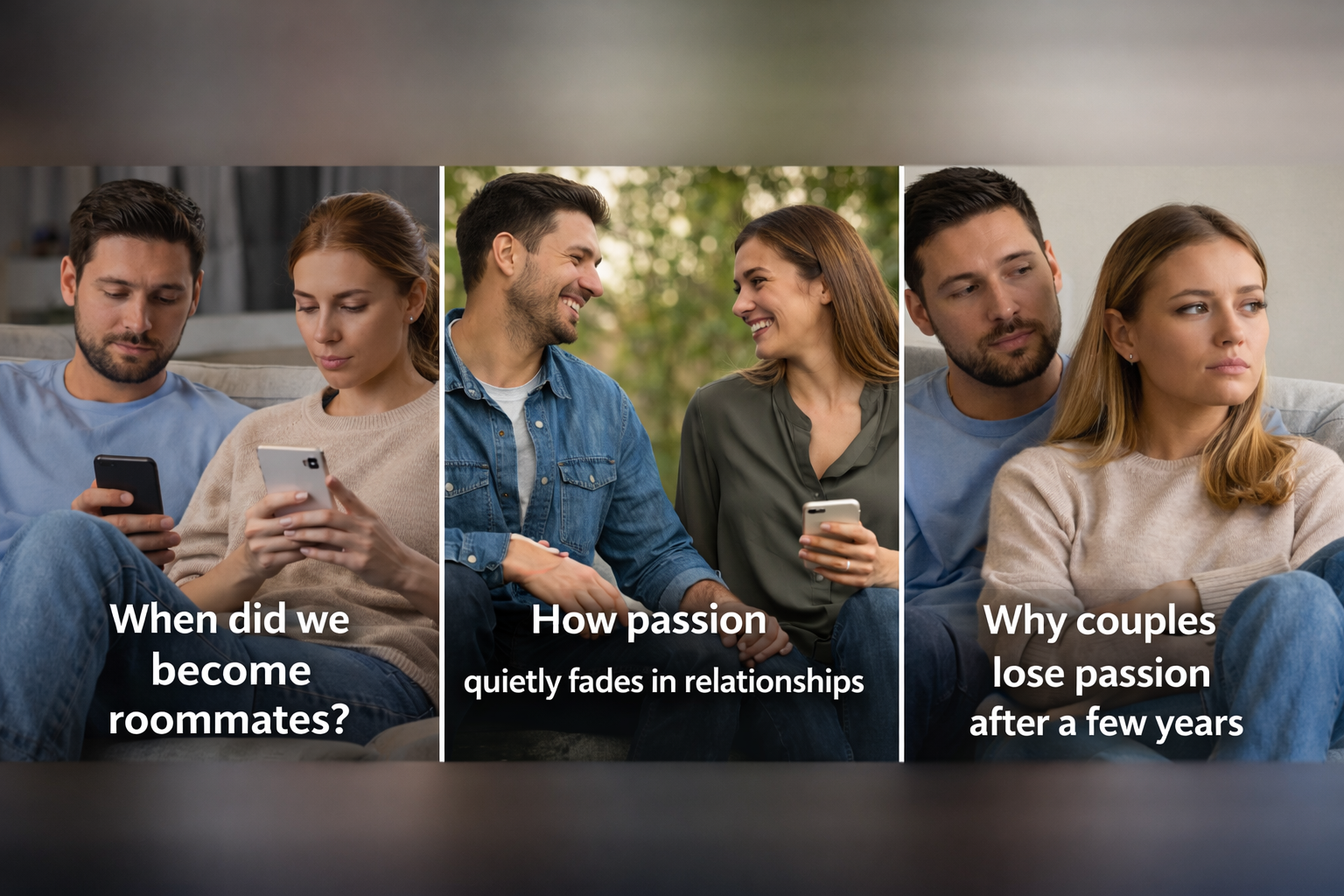
Many couples start their relationship with strong chemistry, excitement, and emotional connection. Yet within a few years, that passion often fades and the relationship begins to feel more like a partnership than a romance. As a therapist, I frequently see the same relationship shifts that slowly weaken attraction over time.

Why Do We Have Anxiety?
Anxiety isn’t random. It’s often a nervous system that learned early that the world wasn’t entirely safe. Here’s how fear-based messaging and conditional safety shape anxiety in adulthood, and how to begin rewiring it.
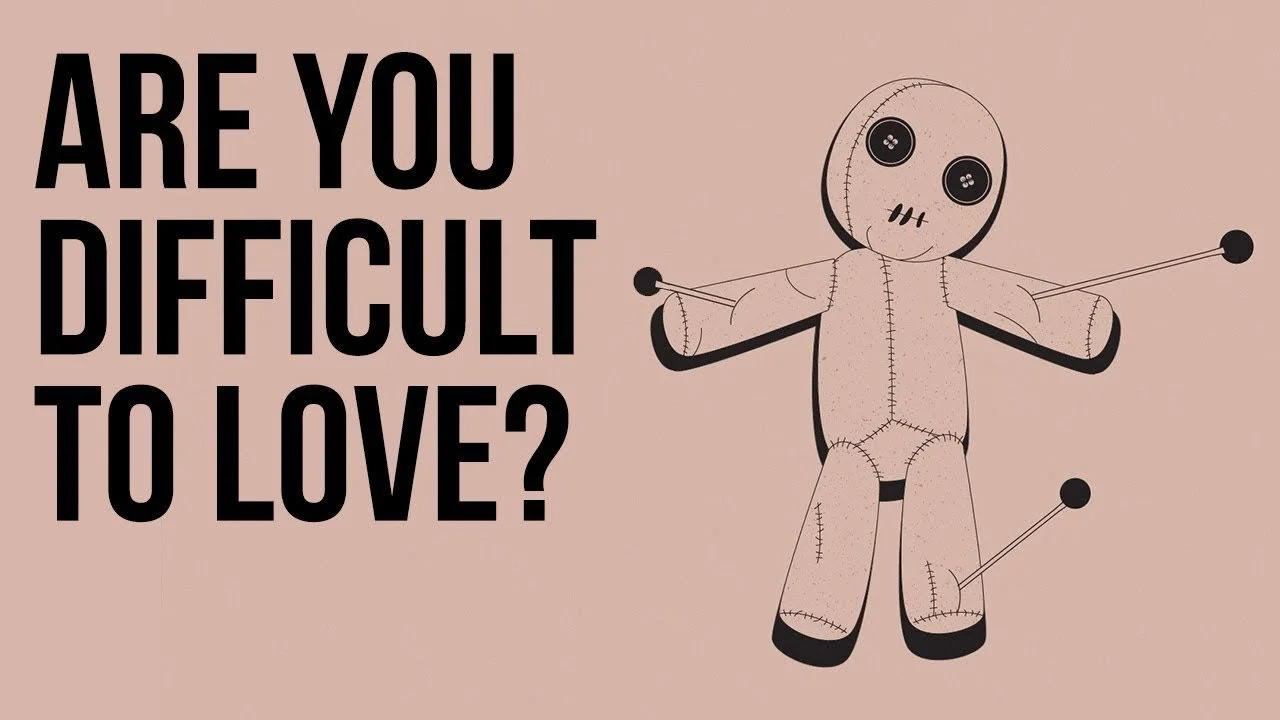
Am I Hard to Love? A Therapist’s Perspective
Many people quietly wonder if they are hard to love. The question rarely appears during the day. It shows up late at night, after another argument, another breakup, or another relationship that began with hope and ended in confusion.
When someone asks this question, they are not usually looking for reassurance. They are searching for meaning. They want to understand why relationships feel harder for them than they seem to for others. From a therapist’s perspective, this question is rarely about being unlovable. It is about patterns, nervous system safety, and the kind of love someone learned to expect.